Dilayla Romeo
Dilayla Romeo is a Mozambique-based photographer. Through her conceptual lens, she examines and creates intimate connections to her subjects and uses photography as a way to understand and investigate her place in the world. Since moving from Spain to Maputo, where her family is from, she has used her photography and intercontinental perspective as a means to connect to and help build up the creative network in the city. The primary goal of the Artist News Network is to share critical, creative, and diverse approaches to consuming and understanding news media and current events. Because of this it is vitally important to host voices and visions from all over the world, and we are eager to see the views of the news that Dilayla will bring us this week.
Dilayla Romeo is a professional photographer from Spain with Mozambican roots, currently living in Maputo. She has a degree in Fine Art Photography from the art and design school ‘Serra i Abella’ in Barcelona, Spain.
Her work aims to explore analogies of human identity and create a personal point of view around varying subjects such as people, spaces, and investigations of colors. She develops a relationship with her subjects by building visual narratives that explore concepts of the human identity. She is interested in capturing the beauty of the ordinary, and the simple things in life from a conceptual perspective.
Articles
Mar 19, 2021
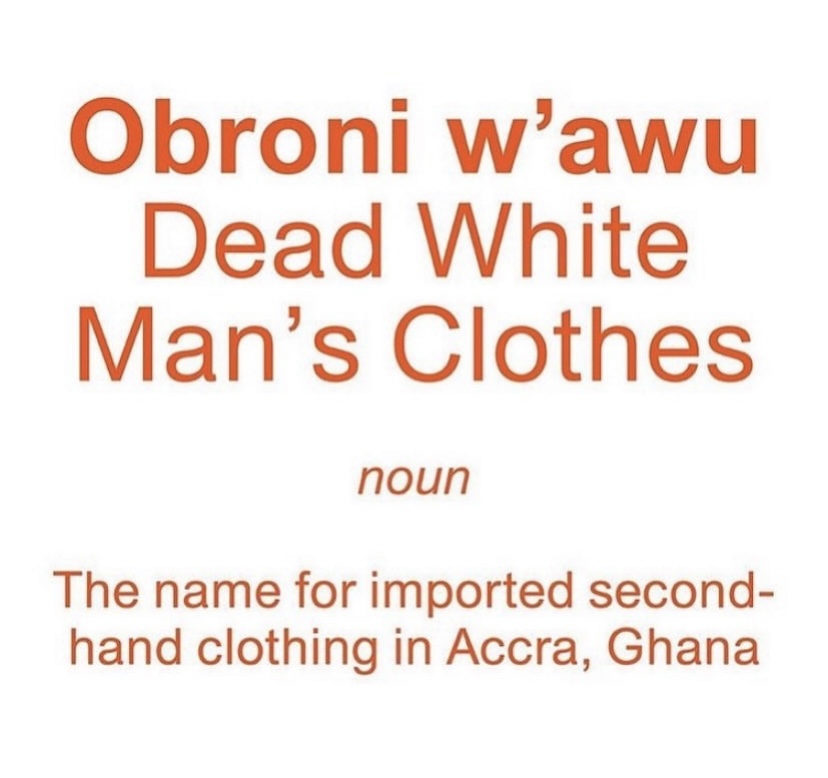
Dead White Man’s Clothes
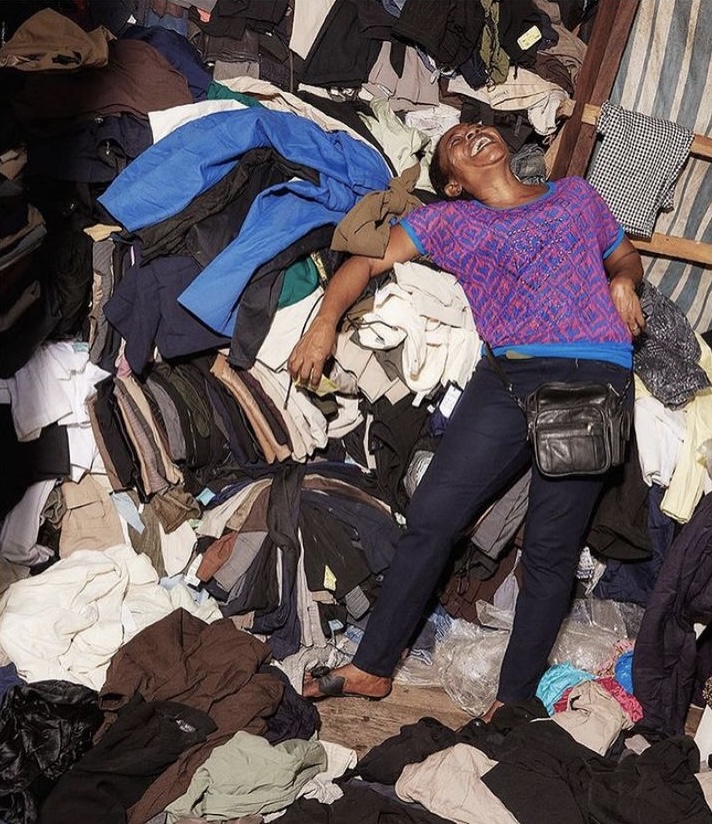
“Hey dear West countries! Donating the clothes you no longer want to Africa is not a sustainable solution anymore. What we urgently need is to consume consciously and wear a minimalist style in accordance with the needs of our planet. Think twice before donating to Africa and let’s try to reuse ourselves what we no longer use.”
From a story between @theorispresent and @atmos:
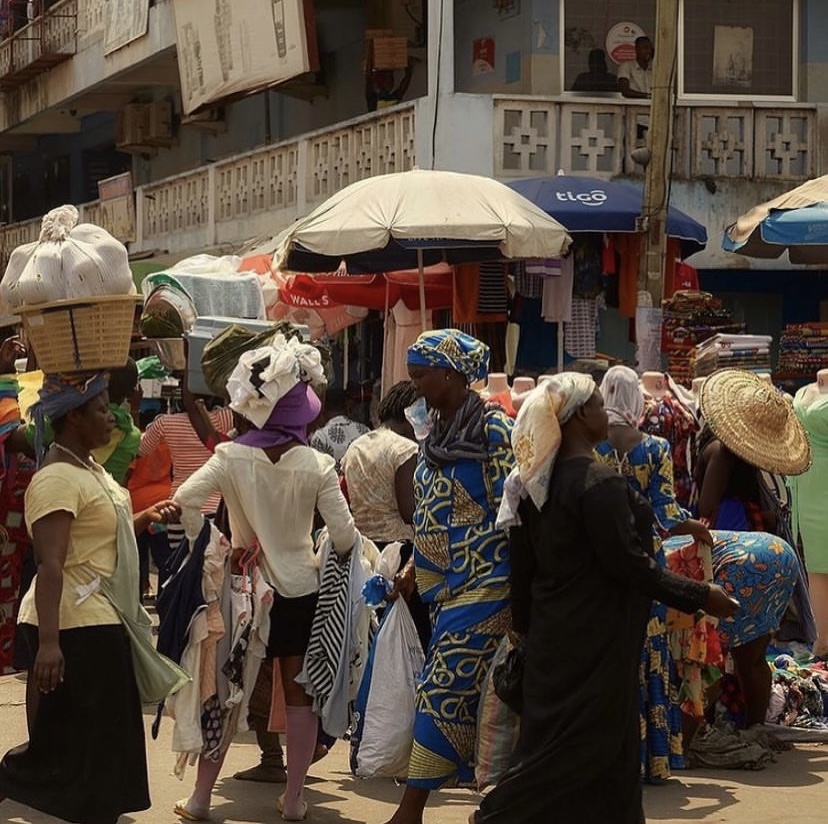
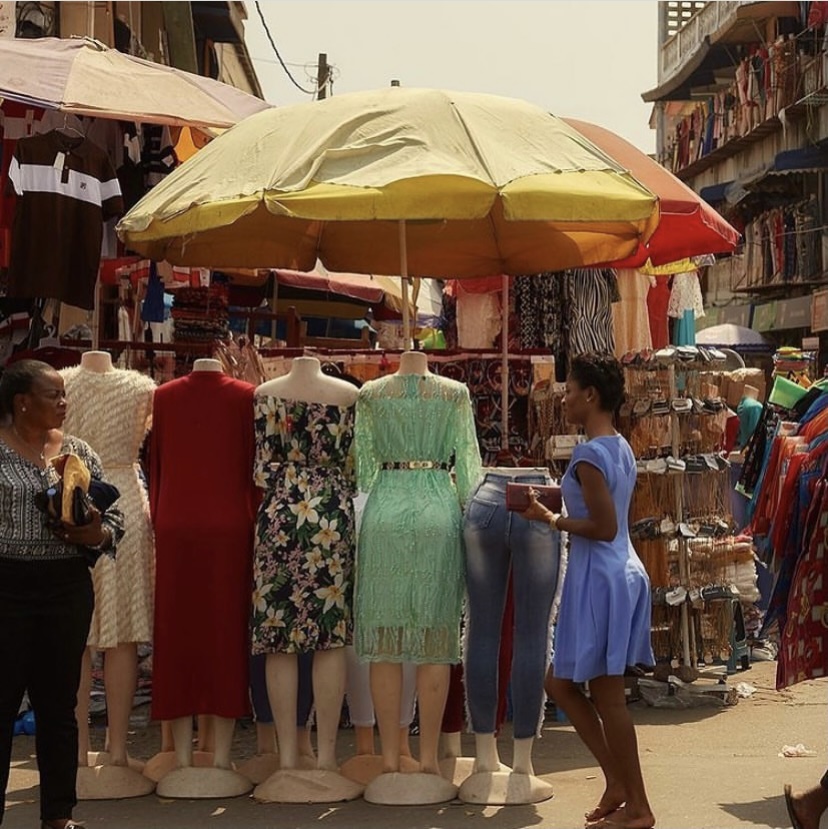
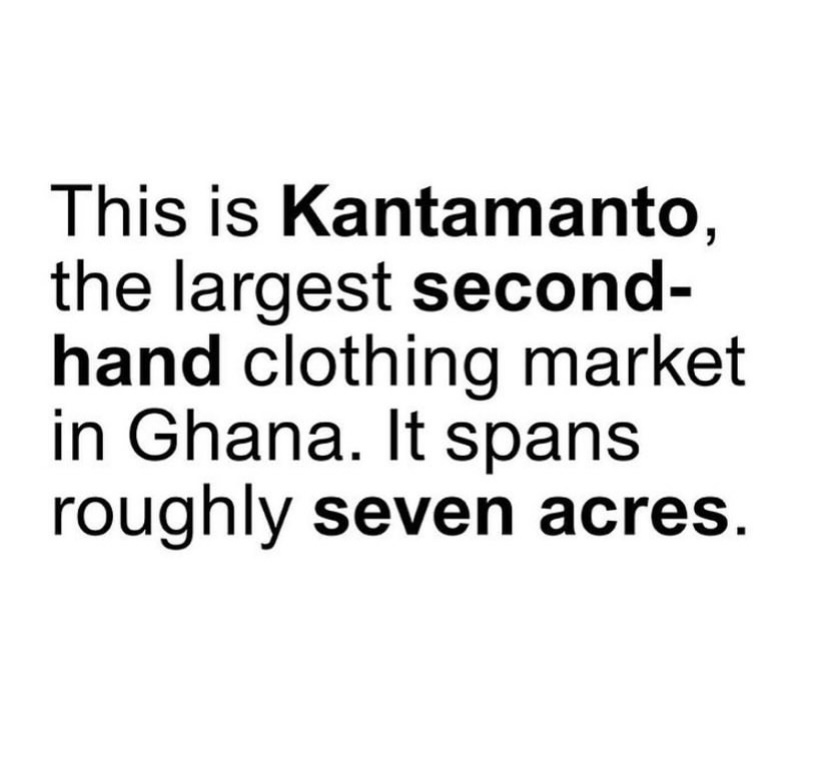
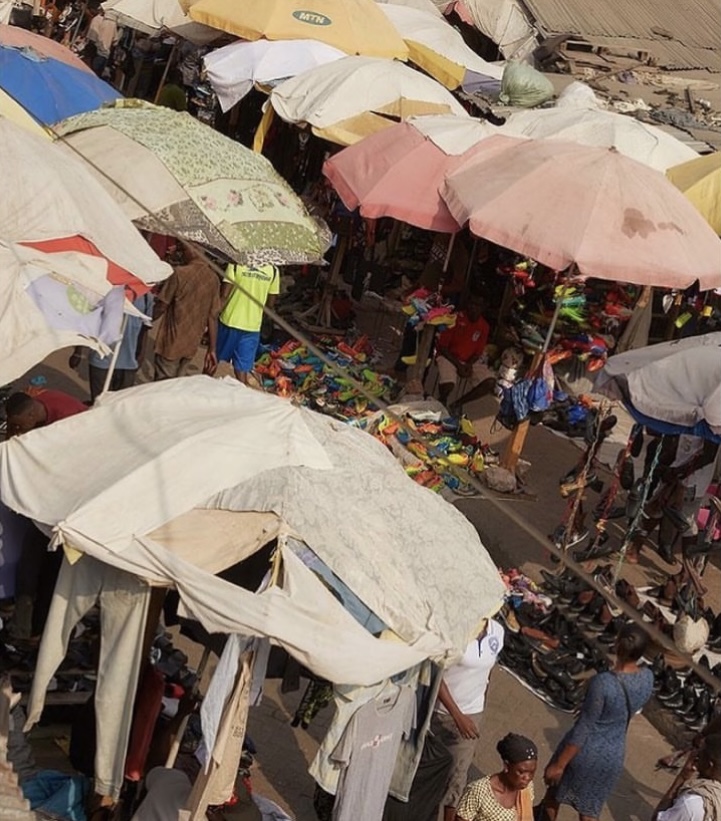
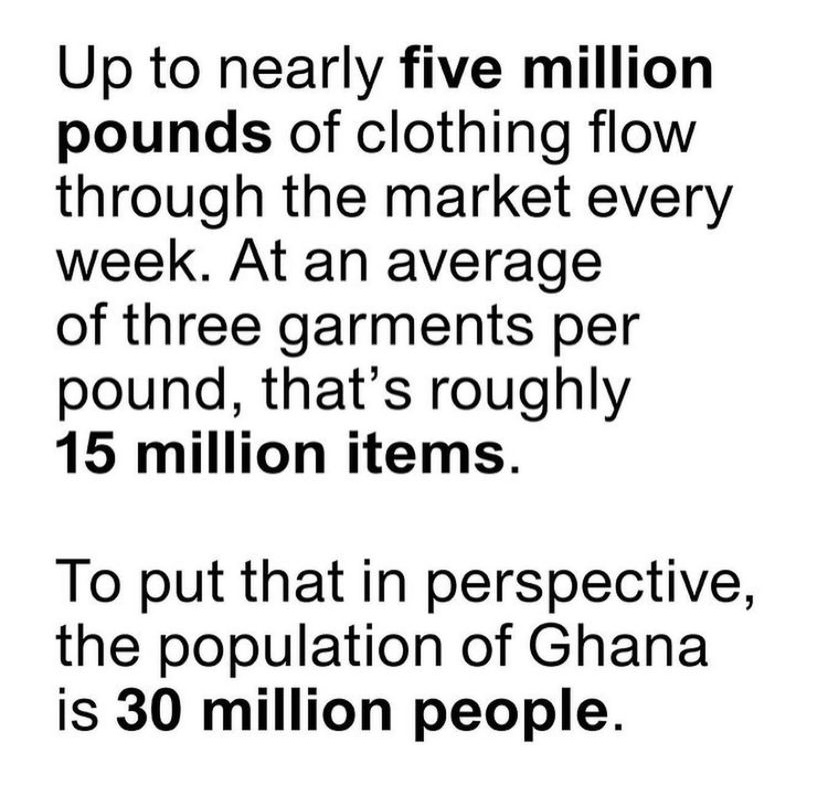
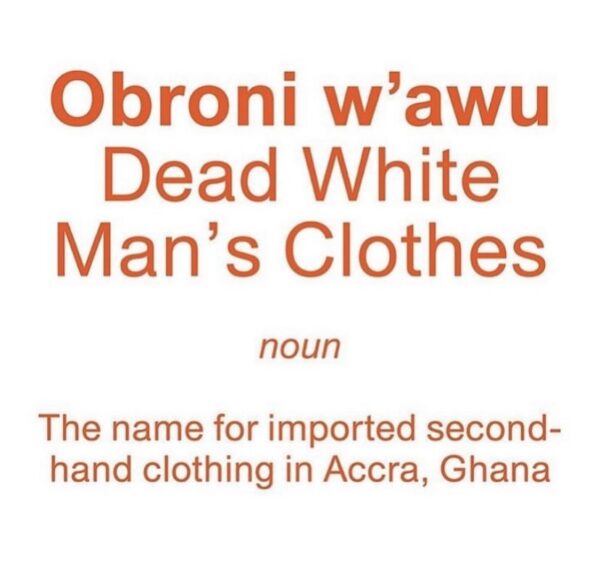
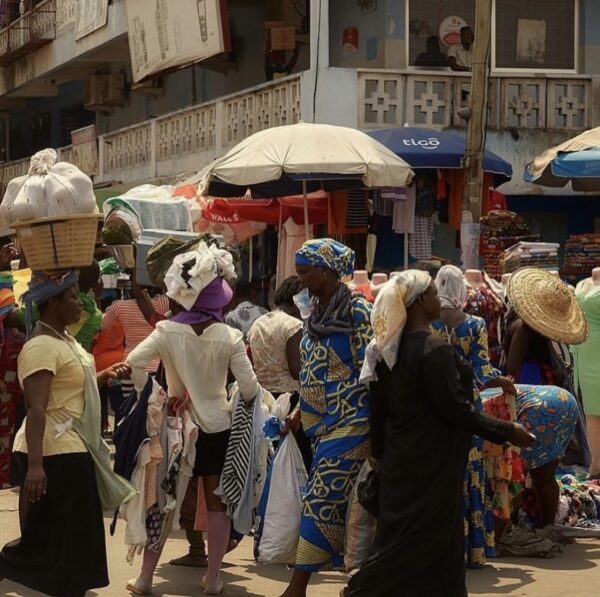
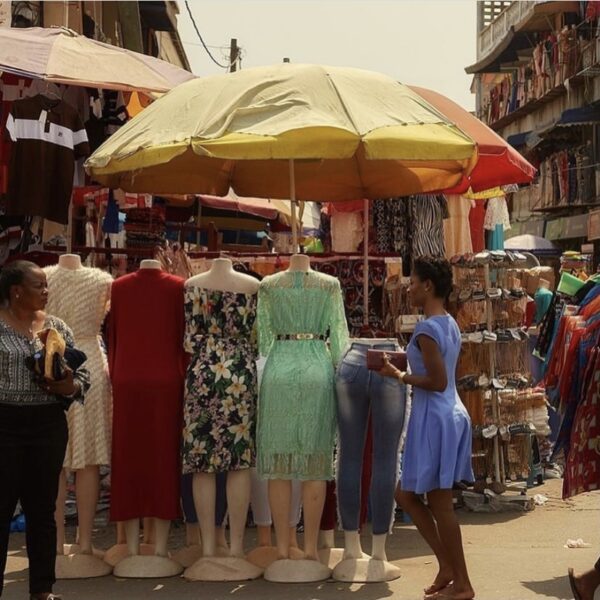
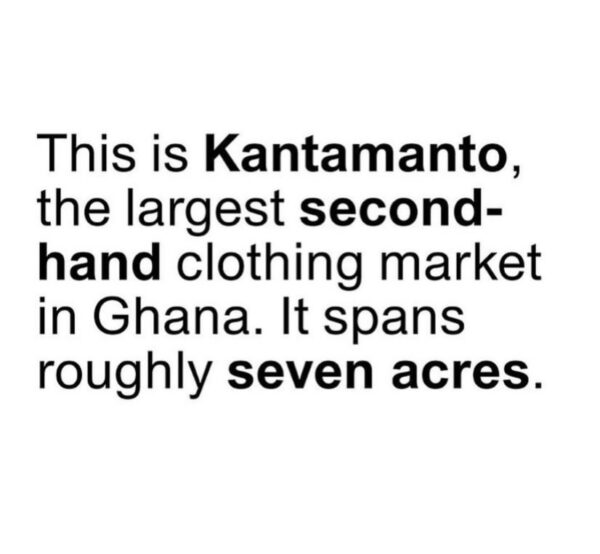
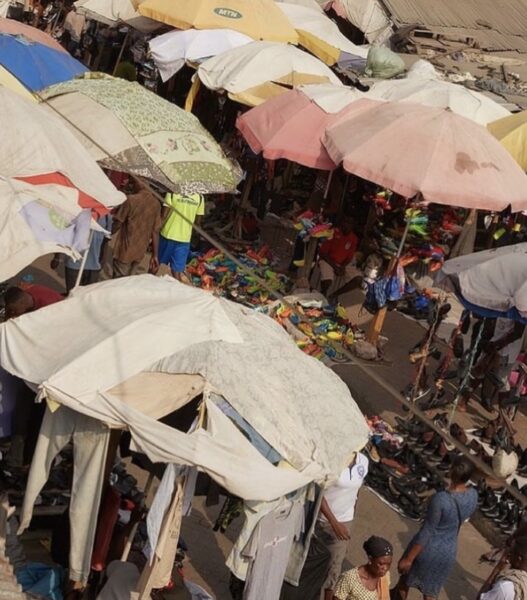
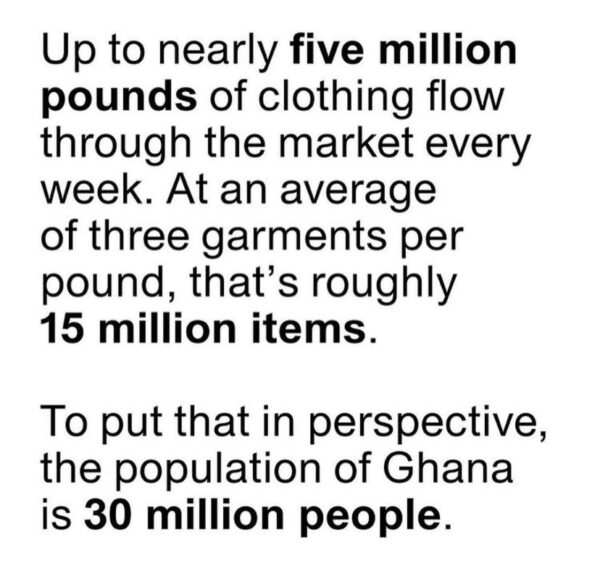
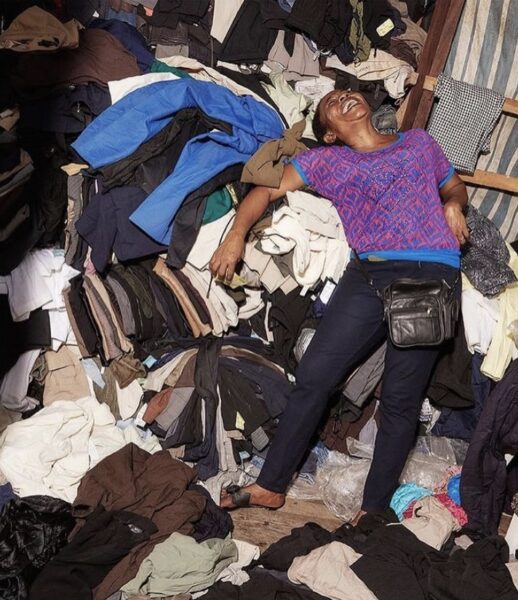
In Accra, Ghana, imported second-hand clothing–or “dead white man’s clothes”–represents a massive industry with complex environmental, social, and economic implications. ‘Obroni w’awu’ was coined by Ghanians who assumed previous owners of used clothes had died.
Photos by Charlie Engman
Read the full article


Published by Atmos
Oct 22, 2019
Read the article Here
Mar 18, 2021
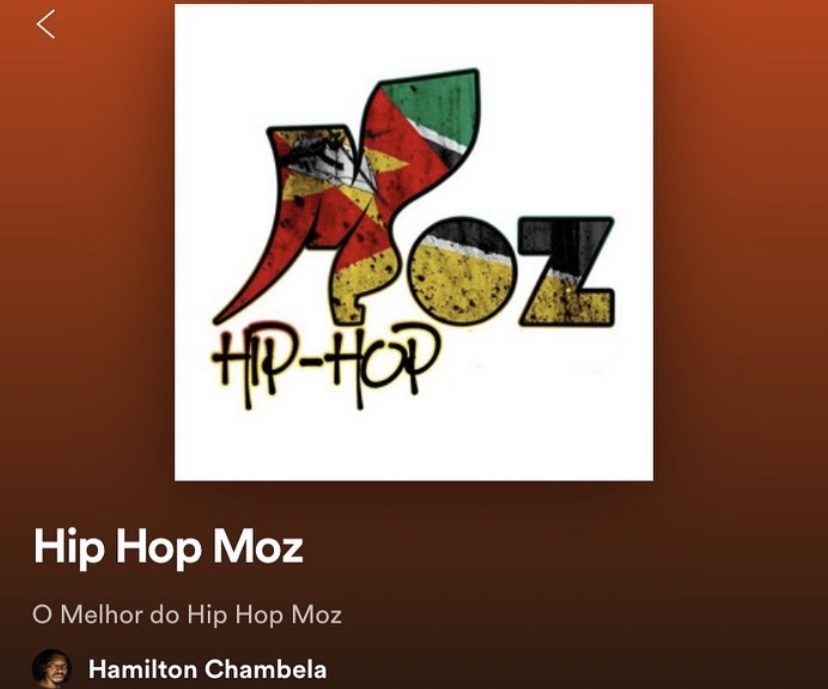
Spotify is finally available in Mozambique and Angola
Translation: Spotify is finally available in Mozambique and Angola
“Spotify >>> Sweden 2006 – Mozambique 2021
I mean, I don’t think I’m exaggerating but I consider this 15-year difference to be an attack on human development.
Anyways this news is awesome and here in Mozambique people are celebrating this event creating amazing playlists!
Just a little reminder about the love for music that exists around the African continent, congrats my people!!!
Second image is from one of the first Mozambican hiphop playlists created by a friend of mine, Hamilton Chambela.”
You can listen Here
Published by Orgulho Moz


Mar 17, 2021
Mozambique Statistics
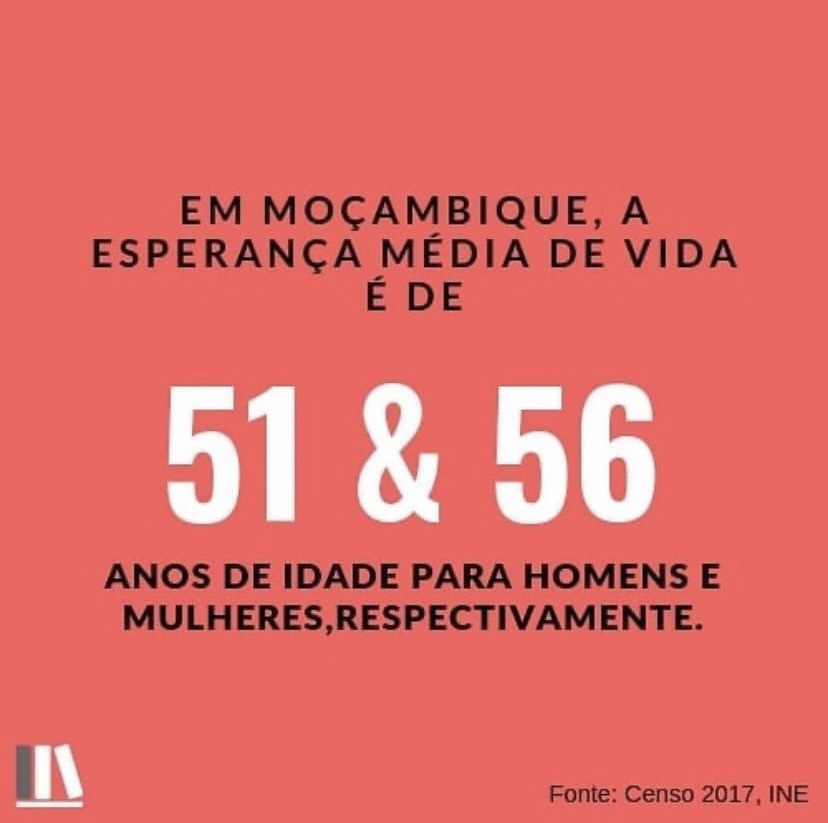
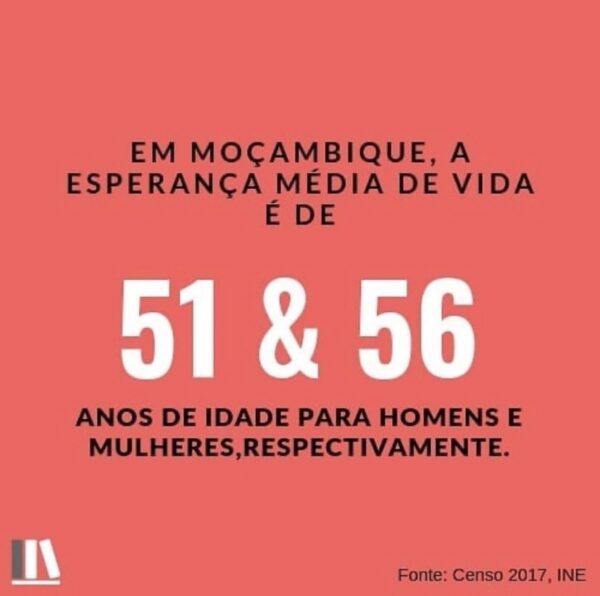
News 1. In Mozambique the average life expectancy is 51 and 56 years of age for men and women, respectively.
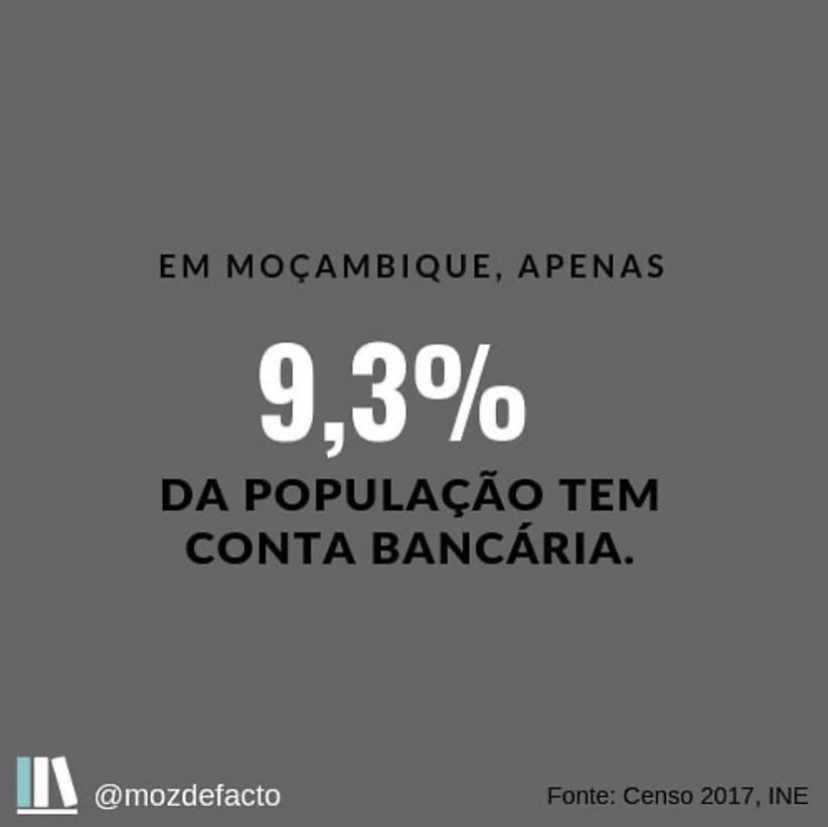
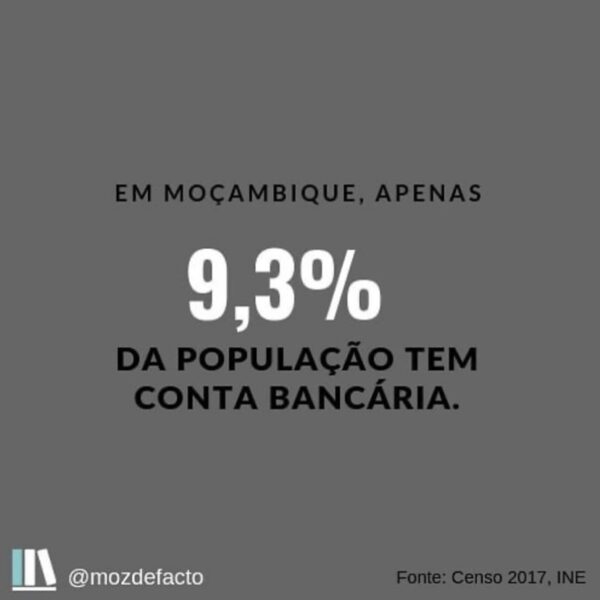
News 2: In Mozambique, just 9.3% of the population has a bank account.
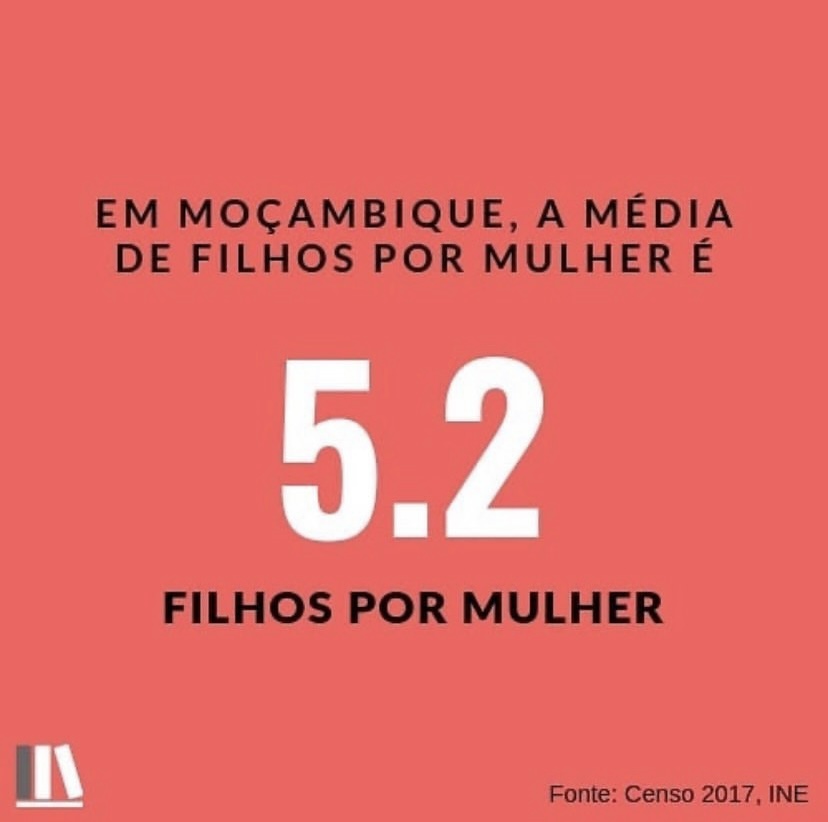
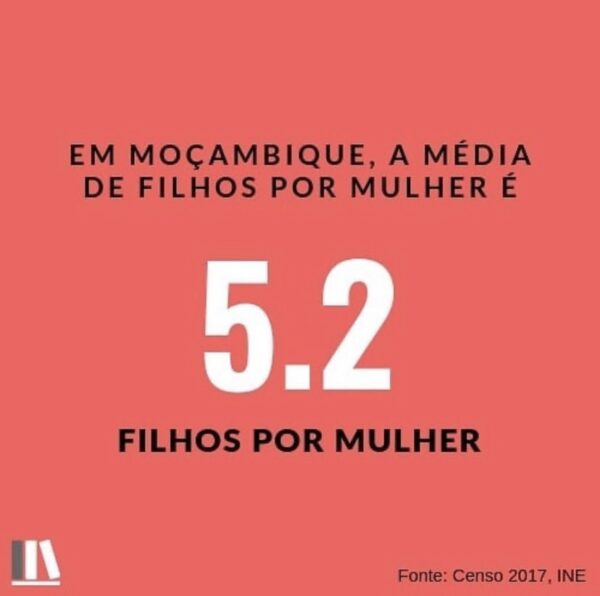
News 3: in Mozambique the average number of children per woman is 5.2 (children per woman)
“While in the West and in “developed” countries life expectancy is getting longer, between 80 and 90 years, the average number of children per woman is a maximum of 3 (per woman). Cash is used less and mostly credit card transactions are typical for most purchases. In southern Africa, more specifically in Mozambique, the statistics are rather different. We need to understand the different needs of each culture in order to create a balanced society globally and for the benefit of human beings and our planet.”
Published by Moz de Facto
Oct 15, 2019
Read the article Here
Mar 16, 2021
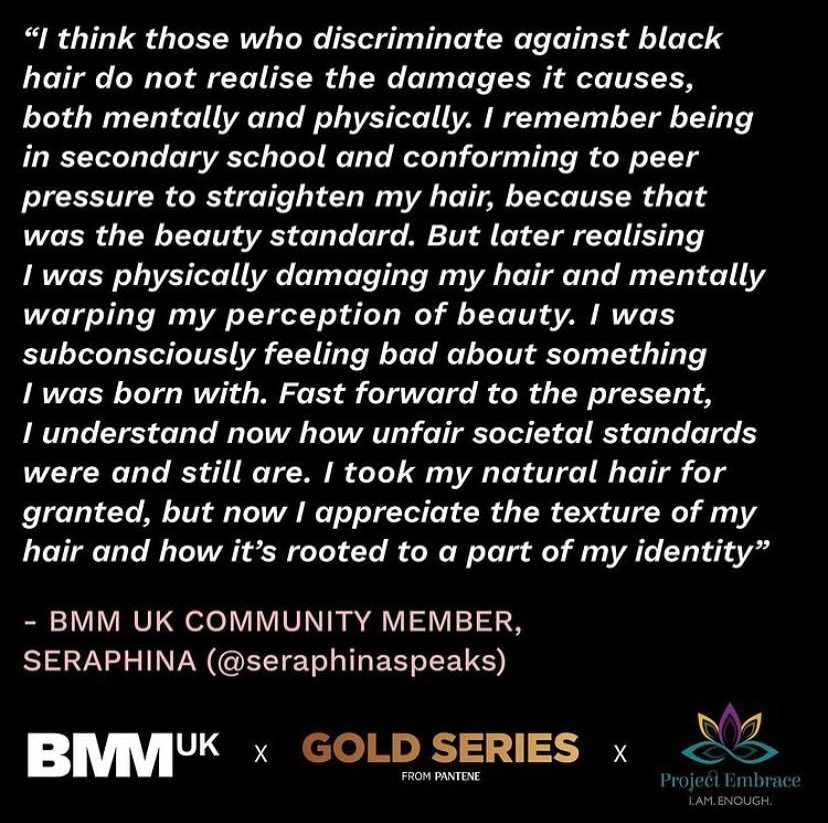
Black Hair
“As a black kid rised in a white society my hair was always a reminder of not being good enough. It is too sad that is 2021 and we are still talking about that.“
Words by Seraphina
Published by Black Minds Matter UK
Feb 26, 2021
Read the article Here
Mar 15, 2021
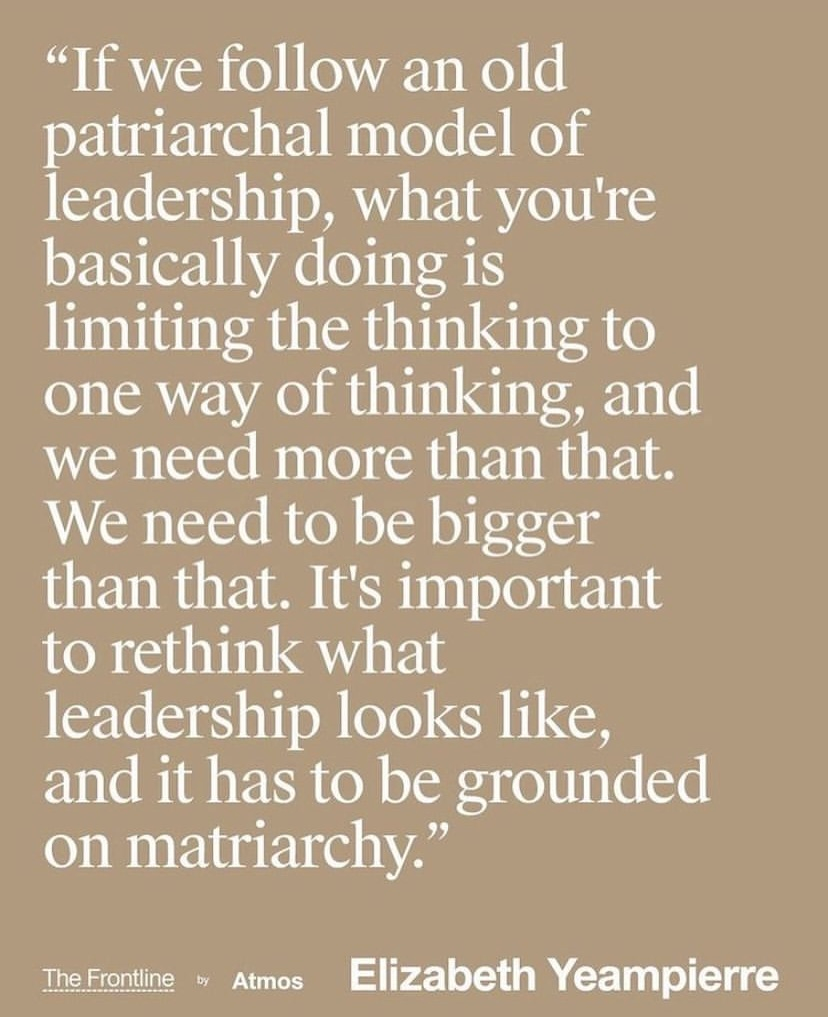
“If you follow an old patriarchal model of leadership, what you’re doing is limiting the thinking to one way of thinking, and we need more than that. We need to be bigger than that. It’s important to rethink what leadership looks like, and it has to be grounded on matriarchy.”
Published by Atmos
Mar 14, 2021